Koalas are one of Australia’s most iconic animals - but did you know they’re now listed as Endangered in Queensland, New South Wales and the ACT? These tree-dwelling marsupials live in eucalyptus forests along Australia’s southeastern and eastern coasts, and their survival is under threat from deforestation, disease and climate impacts. In this guide, you’ll discover 10 fascinating koala facts, why their numbers are declining, and simple ways you can help protect their forest homes.
Koalas are now listed as Endangered in parts of Australia, and their survival depends on urgent action. Add your voice to protect koalas - sign the petition today.
Fast Facts About Koalas
Koalas aren’t bears - they’re marsupials.
They live in eucalyptus forests in southeastern and eastern Australia.
Koalas eat only eucalyptus leaves (up to 1kg a day).
Koalas can sleep up to 18 hours a day.
In 2022, koalas were uplisted to Endangered in Qld, NSW and the ACT due to habitat loss and disease.
Here are 10 interesting facts about koalas:
1. Koalas aren’t bears – they’re marsupials!
You might hear the term ‘koala bear’ being tossed around when it comes to these fluffy animals. While they might look bear-like with their round ears and big black nose, they actually share more characteristics with other marsupials like the wombat.
2. Baby koalas are too cute (this is indeed, a fact).
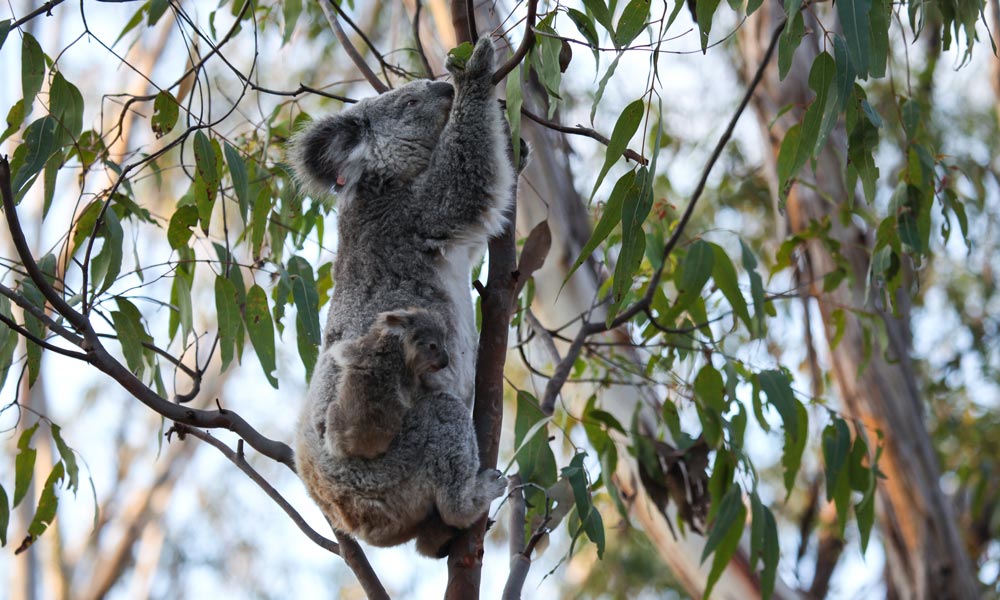
Called ‘joeys’, baby koalas develop in their mother’s pouch for about six months. After this time, they’ll ride on their mum’s back for another six months, only using the pouch to feed and sleep.
3. Koalas can be found in southeastern and eastern Australia
While koalas are a national symbol of Australia’s unique wildlife, they can only be found in the wild on the southeast and eastern sides of Australia, along the coastlines of Queensland, New South Wales, South Australia and Victoria. They live high up in eucalyptus trees of native bushlands and forests, usually perched between the forks of the tree’s branches.
4. Koalas have special adaptations for tree life
Living in trees and being wedged between rough branches requires a lot of support! Luckily, the koala has strong cartilage at the end of their curved spine, allowing them to make eucalyptus trees a comfortable home!
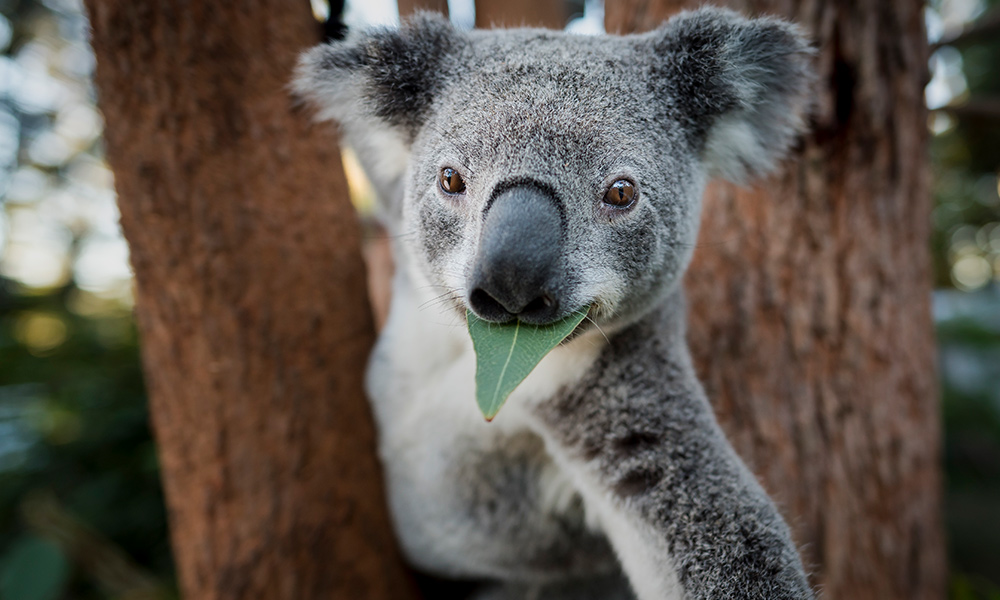
5. Koalas eat only eucalyptus leaves
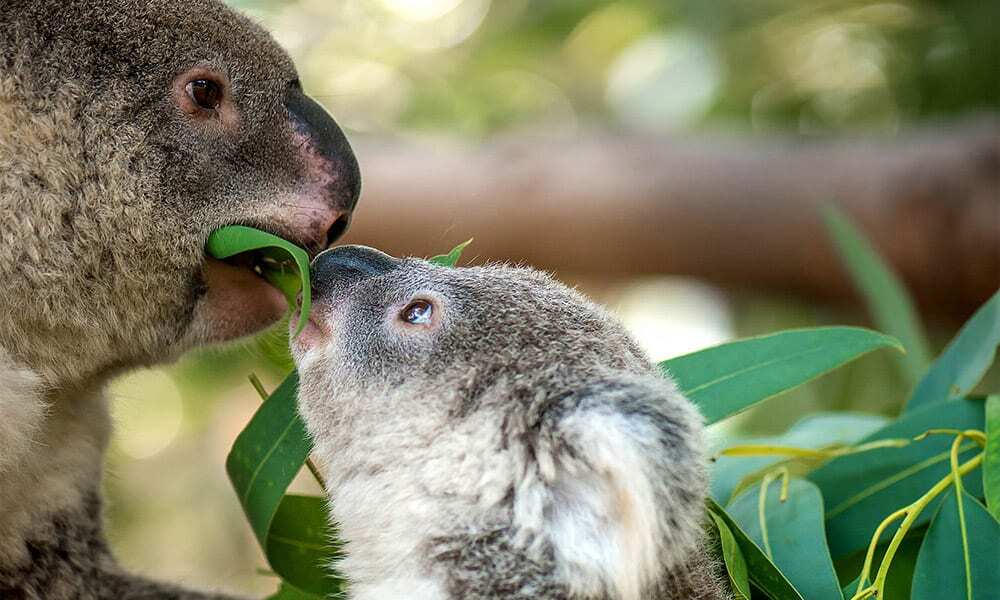
Koalas survive on a diet of eucalyptus leaves and can eat up to a kilogram a day! Pretty impressive, considering eucalyptus is poisonous to most animals. Their special fibre digesting organ, called a caecum, helps to detoxify the chemicals in the leaves.
However, they can be quite picky eaters, eating less than 50 of 800 eucalypt species. Even then, they’ll often choose leaves at the top of the tallest trees that contain more liquid and nutrients – only the best for Australia’s koalas!
6. The word ‘koala’ is derived from an Aboriginal word meaning ‘no drink’
The name "koala" derives from the Aboriginal Dharug language of the Sydney basin, meaning "no drink" - referring to the fact that this iconic animal receives almost all of its hydration needs from the moisture in eucalyptus leaves and rarely needs to drink water.
However, they do drink from various water sources when needed, especially during heatwaves and in times of drought.
7. Koalas sleep up to 18 hours a day
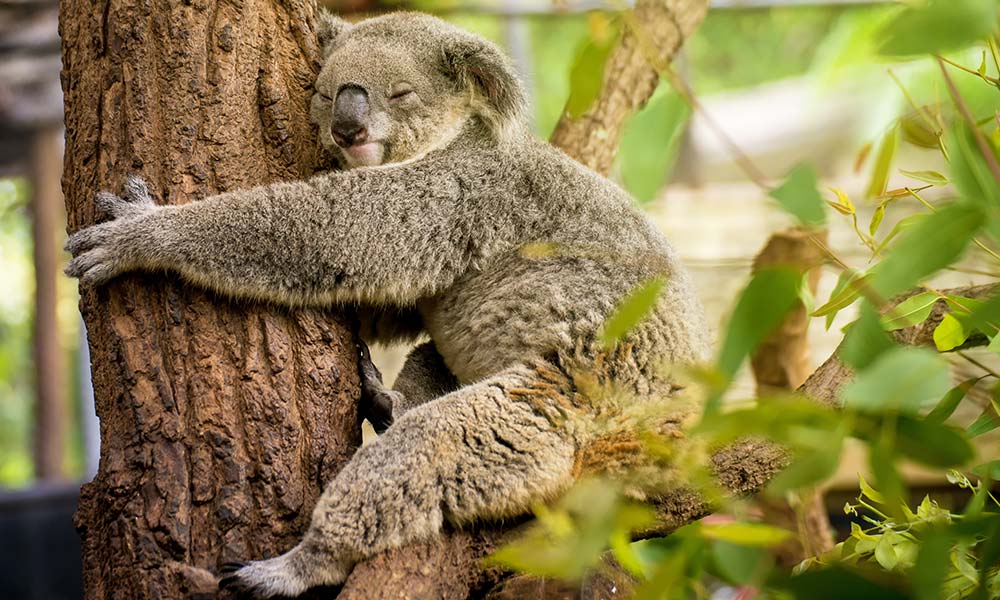
Despite the rumours, koalas don’t ‘get high’ or ‘drugged out’ on eucalyptus leaves. It’s because the leaves are so low in nutrients that koalas need more sleep than most animals which basically helps them conserve energy.
8. Koalas are vulnerable to chlamydia
But it’s not the same strain of Chlamydia that affects humans. Many koala populations are vulnerable to Chlamydia, and it usually manifests when they’re in stressful situations. The disease can cause blindness and reproductive tract infections.
9. Koalas are losing habitat to excessive deforestation
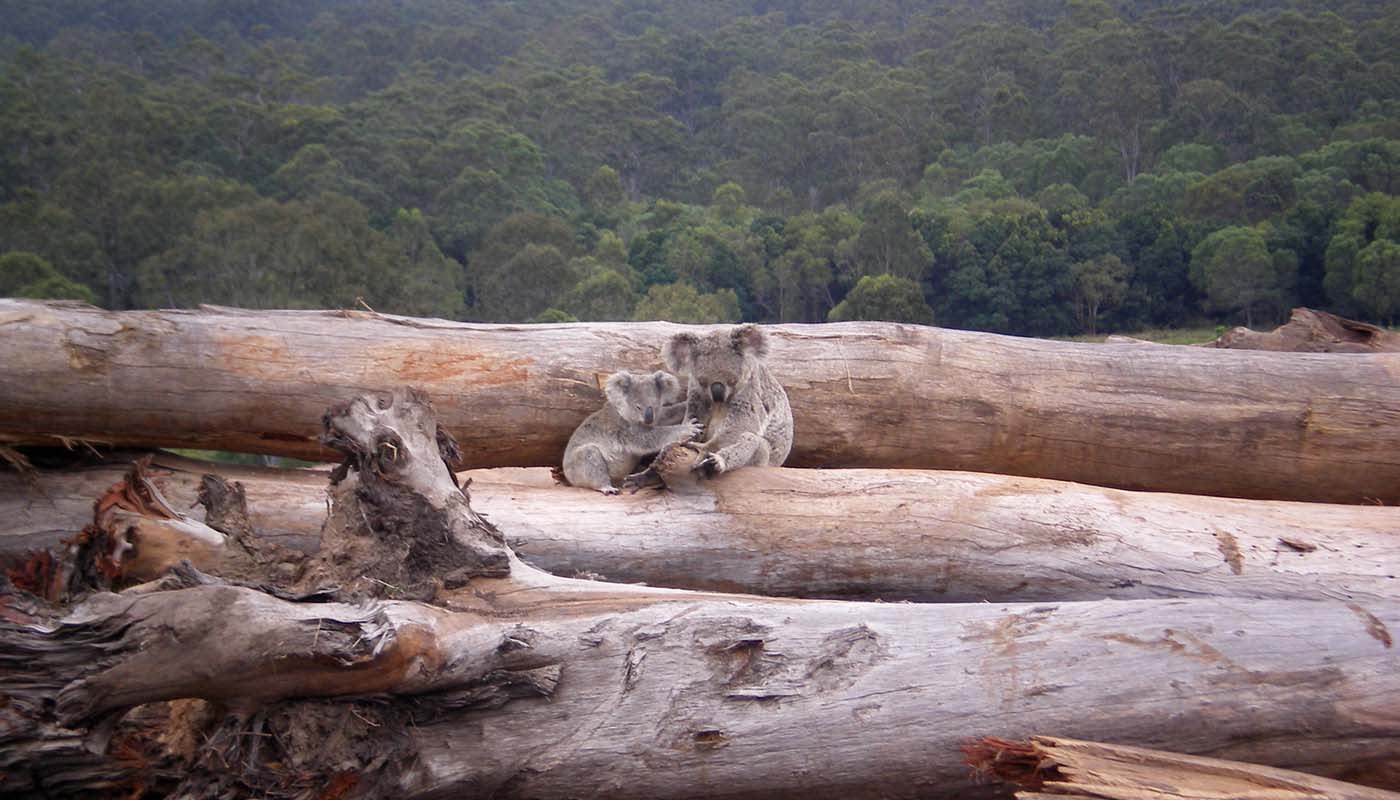
Many koala populations are faced with nowhere to go when their forest habitat is destroyed by deforestation. Just in the last two years, deforestation has tripled in New South Wales, leaving important koala habitats incredibly fragmented or completely lost.
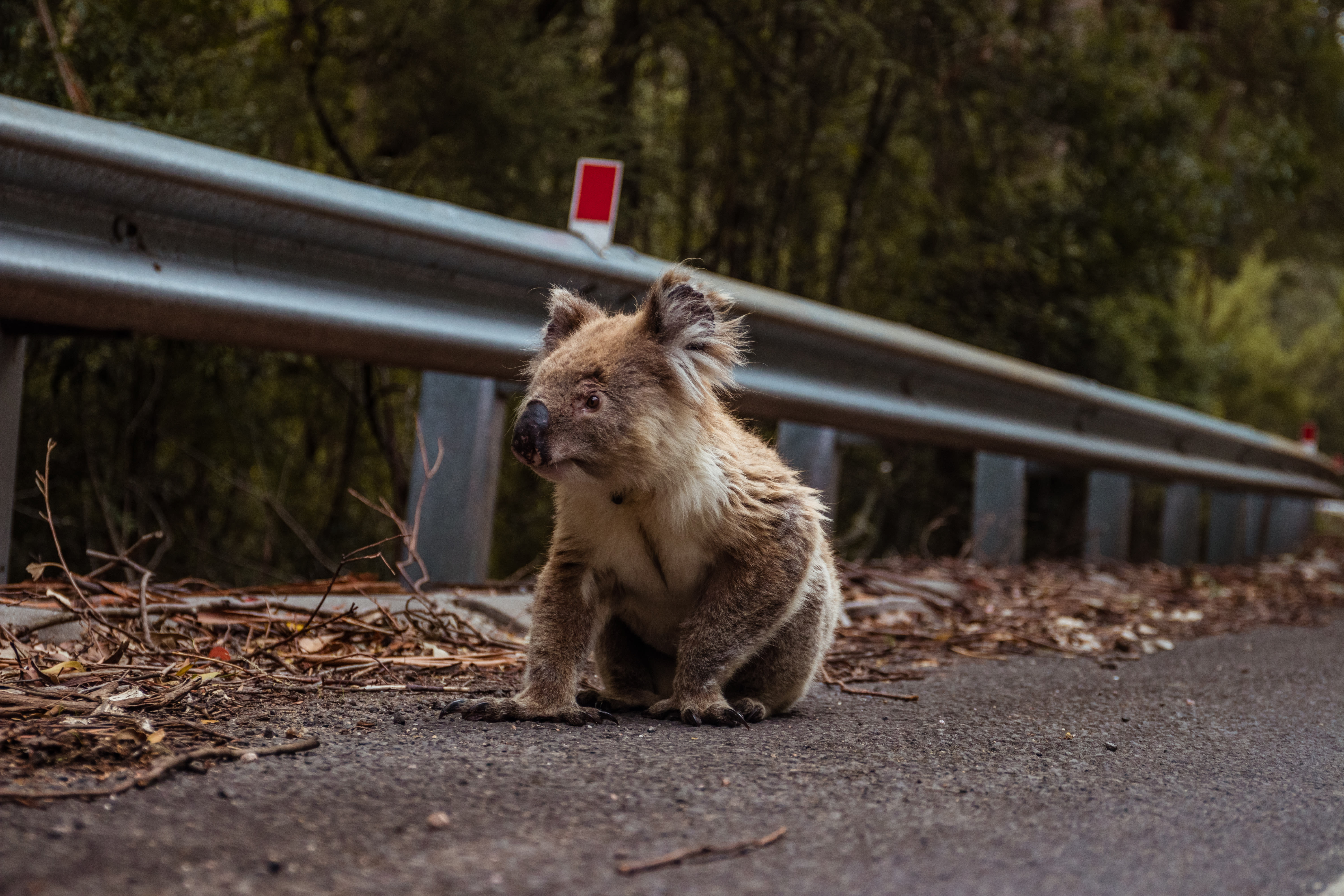
With their trees gone, koalas are spending more time on the ground in search of food and shelter. Sadly, this is when they’re most vulnerable to being hit by vehicles, attacked by dogs and falling ill to stress-induced diseases like Chlamydia. As a result of all these growing pressures, koalas are now Endangered in NSW, as well as Qld and the ACT.
10. Sadly, koala populations are declining
Sadly, koala numbers are on the decline. Their numbers have been falling further and further every year due to deforestation and disease. In early 2022, koalas were officially uplisted to Endangered in Qld, NSW and the ACT. Many struggling Australian species, like our koalas, are being pushed even further towards the brink of extinction, and we need to take action now to prevent losing them forever.
Here’s more you can do to help koalas:
Make a donation today. Your generosity will help plant trees, protect remaining forests and save our precious native animals like koalas from extinction.
Sign the petition and add your name to thousands of voices calling to end native forest logging in Australia before it’s too late.
Adopt a koala and help save their forest homes.
Plant native trees and shrubs for koalas and other wildlife!
FAQs about Koalas
Why are koalas endangered in Australia?
Koalas face habitat loss from deforestation, disease, and climate impacts, leading to their Endangered status in several states.
What do koalas eat?
Koalas eat eucalyptus leaves, consuming up to one kilogram daily.
How can I help protect koalas?
You can donate, sign petitions to end native forest logging, and plant native trees.
Curious what other threatened animals could be living in your backyard? Explore WWF-Australia’s ‘My Backyard’ tool to learn what wildlife makes their home near you and how well they're being cared for.